I just went on an 11 day trip to Washington DC, Richmond, VA and Williamsburg, VA. I decided, because of the cost of gas and parking, and to avoid some wear and tear on my car, I would take the bus and train on this trip. Figured out by doing this and relying on public transportation and tour buses in these cities, I would save a lot of money and a lot of driving stress. However, there were a few things I did not consider when making this plan.
Before booking my tickets, I estimated my cost for gas and parking. This didn’t include any local driving. The round trip was just shy of 800 miles, also not including any local driving. I estimated I was saving about $200 by not driving.
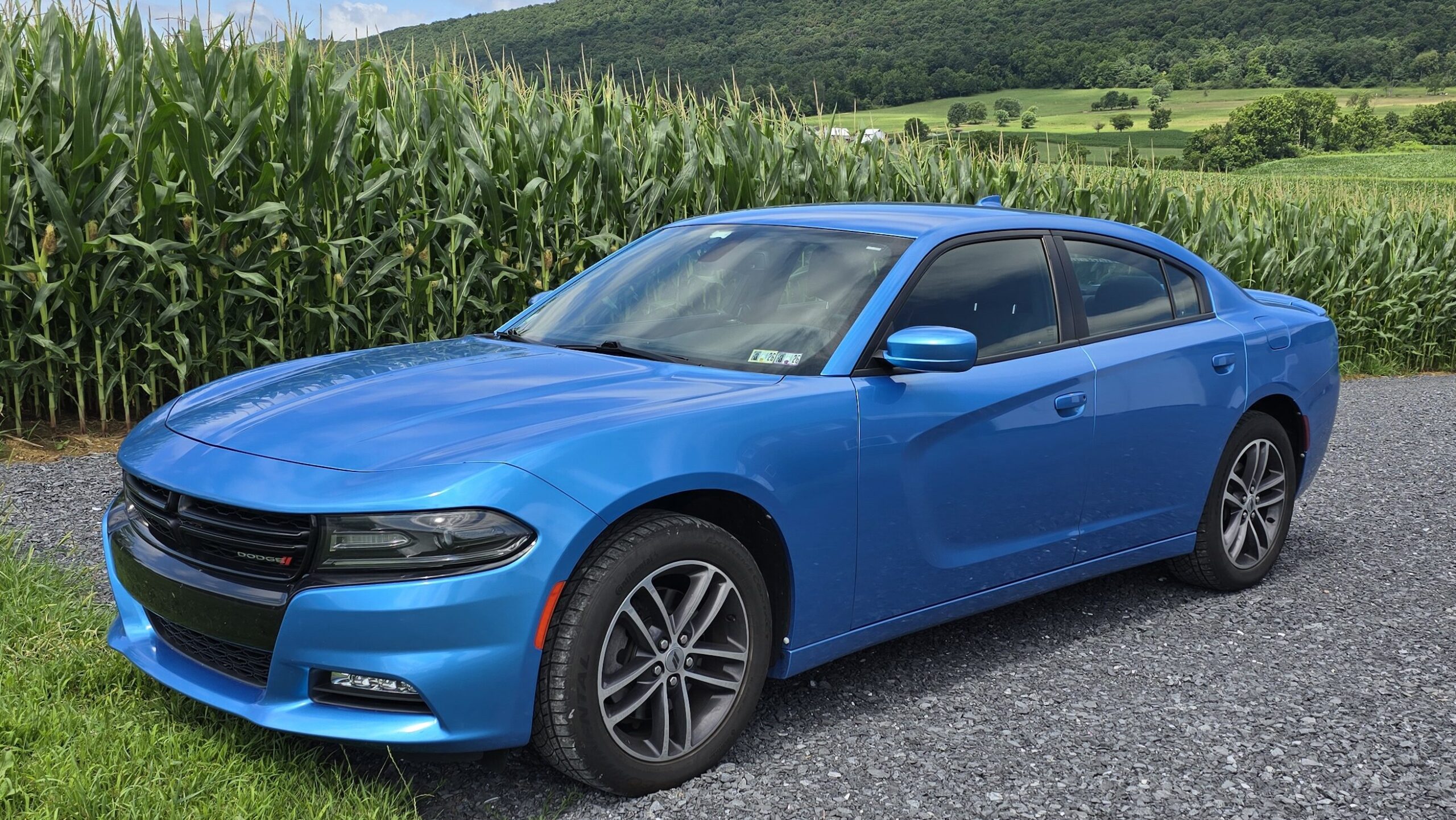
- My car isn’t the most fuel efficient. I get about 23 MPG highway. My car has a 19 gallon tank. If I average $4.30 a gallon, I would be spending about $150 on gas.
- I would need to pay for parking at 2 of the 3 hotels I was staying at. The first hotel was $65 a night for 3 nights, and there were no other garages nearby. The second hotel didn’t even have on-site parking and would have been about $20 a night for 5 nights. I’d be spending at least $290 on parking.
- I was looking at almost $450 on gas and parking alone
The costs of taking the bus and train were significantly cheaper.
- I took the Greyhound from Pittsburgh to Washington DC for $41.
- I took an Amtrak Connector Bus from Washington DC to Richmond, VA for $14. This is a temporary solution while Amtrak improves the Virginia rail system.
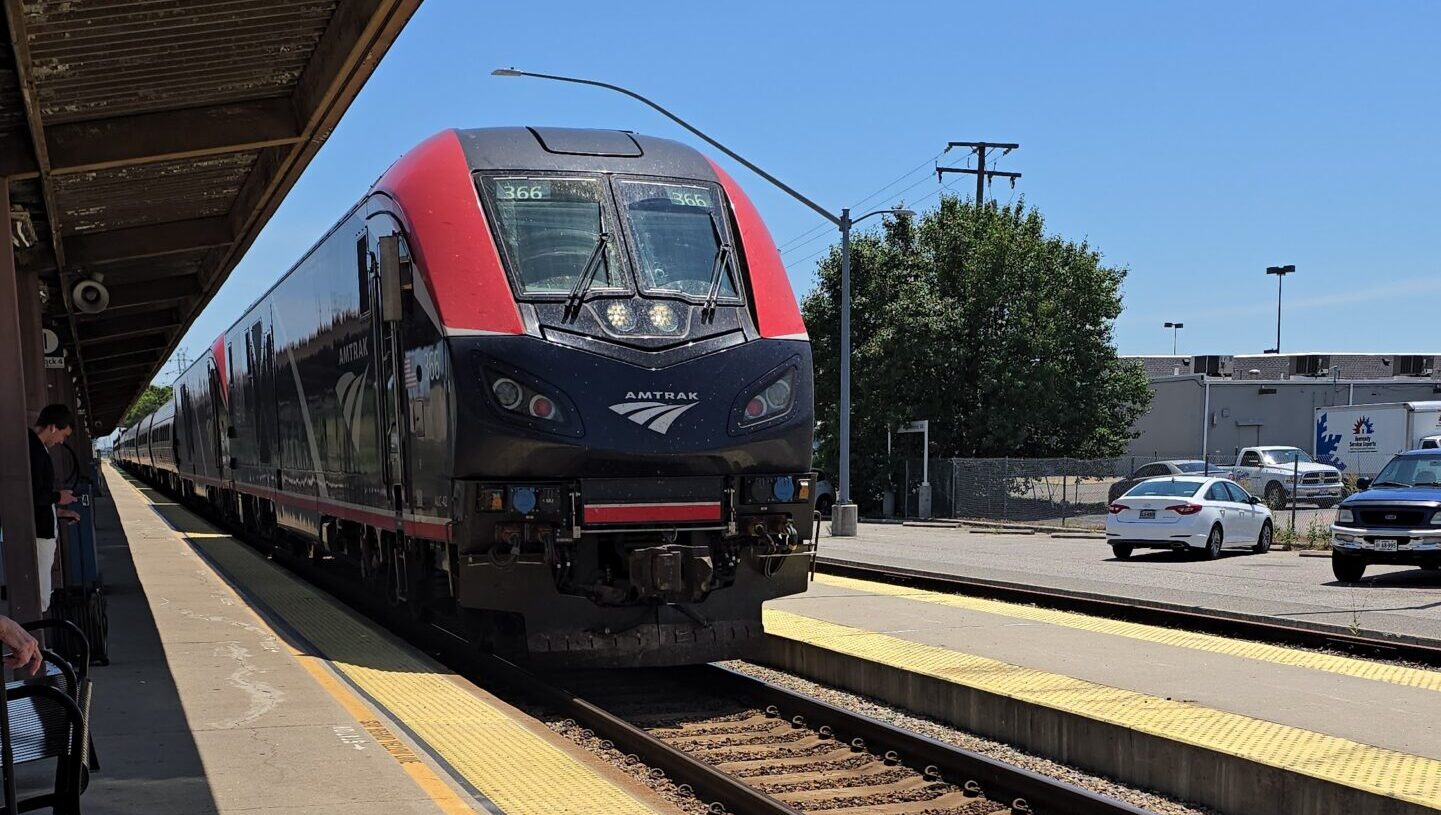
- I took the Amtrak Floridian line from Richmond, VA, back to Pittsburgh for $109.
- I spent $13 total on public transportation. Public transportation in Richmond, VA is free, and all my transportation in Williamsburg, VA was with the tour group.
- I needed to use rideshares a few times. This came to about $70.
- I spent an approximate total of $240.
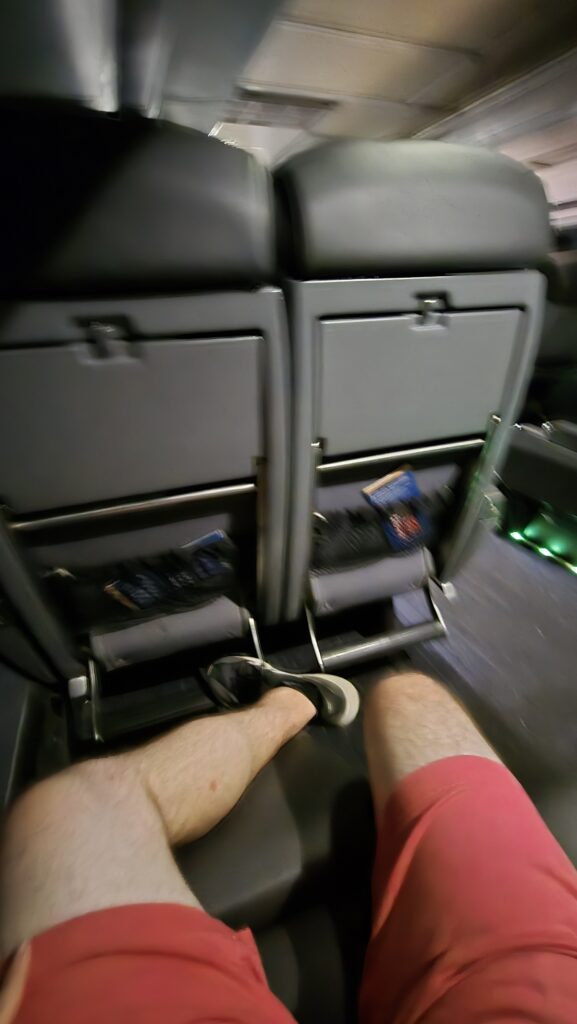
Taking a photo at midnight to show off legroom was a bad choice
Here are my pros and cons of taking the bus or train on a long trip.
Pros:
- I wasn’t driving. I was able to just sit there and not pay attention to things.
- It was cheaper. The cost of gas and parking is currently so high. Also significantly cheaper than flying.
- I didn’t have to put any wear on my car. I recently completed a lot of maintenance on my car.
- I got a lot done during the trips. I finished up multiple posts for social media and completed my monthly blog post, going from place to place.
- Buses get to use dedicated lanes in some locations, and trains may have a more direct track if available.
- My coach seat on the Amtrak was very comfortable. It reclined, and it had both a footrest and a leg rest.
- There are outlets for charging and WIFI when available.
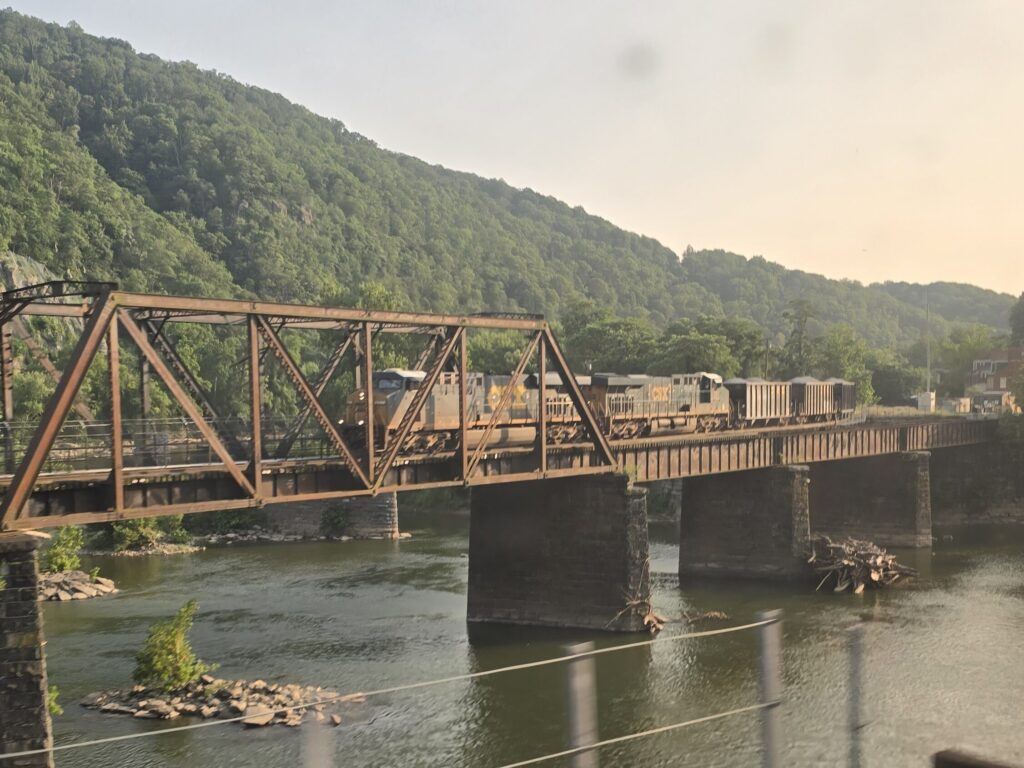
- There can be some great scenery along the route. I wish I had taken more photos on my train ride.
- I could have slept if I were able. More on this in the cons.
Cons:
- You are stuck on their schedule. My bus from Pittsburgh was scheduled at 6:30 AM, so I had to leave my house at 5:30 AM. Likewise, my train returning to Pittsburgh was scheduled to arrive just before midnight.
- I had to pack efficiently. I got everything into a duffle bag and a backpack. I didn’t account for having to then carry a tote bag on my return because of items I collected on my travels.
- The bus seats were not very comfortable. On the short trip between Washington DC and Richmond, it wasn’t so bad. My trip from Pittsburgh to DC was uncomfortable after a while.
- Greyhound has assigned seats. However, it seems there is no logic to the assignments. People who bought tickets together were broken up. I was in the last row even though there were many open seats available.
- Travel times will be longer. The bus and train will need to make additional stops. It is also unlikely it will be a direct route. The stops might require a detour. The train was built following the river and winds through rural America.
- You will likely be delayed on longer trips. The Greyhound arrived in Washington DC almost an hour late. The Greyhound delays were almost entirely related to people. We left Pittsburgh late because the bus was not cleaned when it was supposed to be. We left our 2 stops on the trip late as well because people did not get on the bus promptly. The Amtrak was 90 minutes behind schedule. This was because of heat restrictions and freight train priority. The train has to go slower when it’s too hot out. Amtrak also needs to give priority to freight trains on some tracks because Amtrak doesn’t own most of the tracks they use.
- Food options are limited. On the bus, you get one or two stops for food. Our stop was at a Pennsylvania Turnpike Service Center. On the train, the expectation is that you eat on the dining car. Our longest stop was in DC, and it was highly discouraged to enter the station.
- The WIFI is spotty. There was only WIFI if the bus or train could maintain a signal. I frequently lost service.
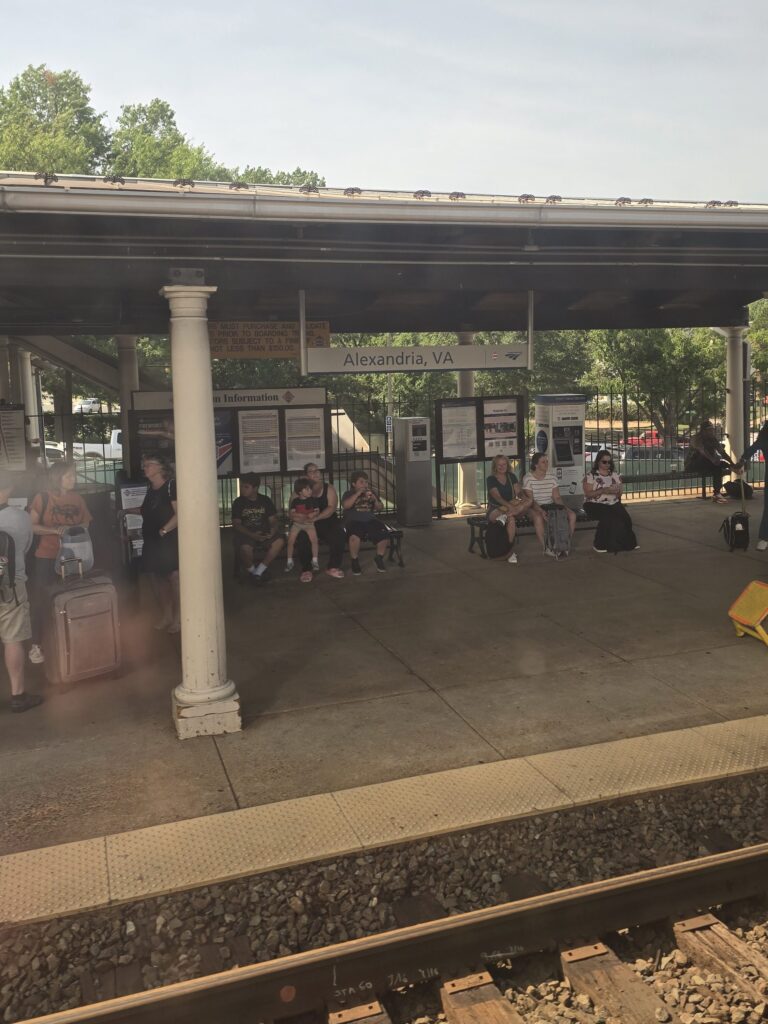
- On Amtrak, I had to change which car I was sitting in when we got to Washington DC. They try to organize people based on how far they are traveling. Since I was going past Washington DC, but not as far as Chicago, they moved me to a different car.
- Strangers can be problematic. On both the Greyhound and Amtrak trips, there was someone who had multiple outbursts.
Obviously, my cons list is much longer than my pros list, but would I do this again? Yes. I would especially do it to save money or go to a city where I know I don’t need a car when I’m there. I liked my Amtrak experience more than my Greyhound experience, mostly because of the seats. The longer trip was much more tolerable because I was comfortable. There is a lot of the country that can be seen a little more inexpensively by using the bus or train. I still want to do a cross country trip by train, specifically the California Zephyr that goes through the Rocky Mountains and the Great Plains.
Discover more from Alex Eats Too Much
Subscribe to get the latest posts sent to your email.